















Wireless vs wired alarm systems: which suits your home?

A wired alarm connects every detector to the alarm panel with cable, while a wireless alarm uses battery-powered detectors that talk to the control panel by radio. A wireless alarm system installs faster, with no chasing walls or running cable, and is easier to extend. Wired still suits new builds where cable can go in before the walls are finished.
How wired and wireless alarms work
A wired alarm has a control panel, usually in a cupboard, with a cable running to every detector, keypad and siren. The panel powers the detectors through those cables and reads their signals.
A wireless alarm has a central controller and detectors that each run on their own battery. Each detector reports to the controller by radio, so the only cable is the controller's power supply.
Both raise the alarm the same way: a detector triggers, the panel sounds the siren and, if you have it, sends the signal to your phone and your security company.
Wireless vs wired, side by side
- Installation: wireless detectors mount with screws or brackets, so installation is usually quicker. Wired installs mean running cable through ceilings and walls, which takes longer in an existing home.
- Disruption: wireless means little drilling through walls and no chasing. Wired can mean dust, patching and repainting.
- Adding or moving detectors: wireless detectors can be added or moved without new cable. Wired detectors need new cable runs.
- Power: wireless detectors run on batteries that need replacing every few years. Wired detectors are powered by the panel.
- Outdoor and outbuildings: wireless reaches gardens, garages, cottages and far walls without trenching. Wired needs cable to every point.
- Moving house: a wireless system can come with you. A wired system usually stays with the house.
- Lightning: in a wired system, every detector is connected by cable, so a nearby strike can travel along the wiring and damage the panel and several detectors at once. A wireless system has no cables between its parts, so a strike tends to damage one or two components rather than the whole system. That's worth thinking about on the Highveld, where summer storms are common.
- If an intruder damages the panel: if someone gets in and rips the control panel off the wall, a wireless hub is usually quicker and easier to replace than a wired panel, with no rewiring.
- Cost drivers: wireless detectors cost more per unit, but labour is lower. Wired detectors cost less, but cabling labour adds up, especially in a finished home.
Range and reliability
Older wireless alarms earned a reputation for dropouts and short range. Many modern systems use sub-GHz radio, which usually passes through walls more easily than WiFi.
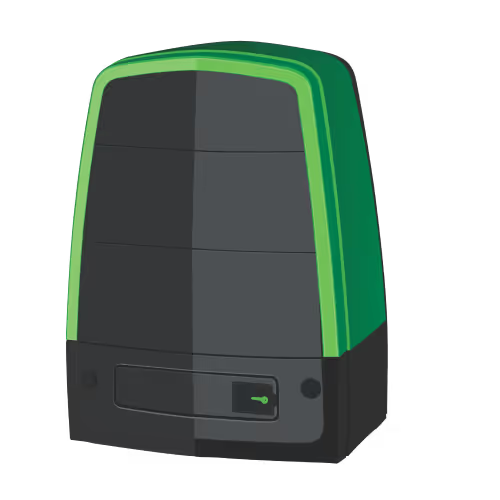
Olarm ONE is a wireless alarm system that connects its detectors to Olarm HUB over Olarm HALO, Olarm's own 868 MHz radio protocol, with up to 2km range. That range covers large properties, farms and outbuildings that would be expensive to cable.
Wireless systems can be targeted by jamming, where someone floods the radio band with noise to stop detectors getting through. Olarm HALO is built on LoRa, a spread-spectrum radio technology that spreads each signal across a wider band. That makes it more tolerant of jamming and interference than the older, simpler radio schemes, such as FSK, GFSK and ASK, used in many earlier wireless alarms.
To reach the outside world, Olarm HUB uses dual SIM, WiFi and Ethernet, so it stays connected if one connection goes down, and it has a built-in siren and backup battery for power cuts.
Detector batteries
Every wireless detector has a battery. Olarm ENTRY and Olarm FlipX, for example, run for up to 2 years on a battery. A wireless system should tell you when a battery is getting low, well before it goes flat, so replacing it becomes routine maintenance rather than a surprise.
When wired still makes sense, and hybrid options
- New builds and major renovations: cable can go in before the walls are closed, so wiring costs less and there are no batteries to replace.
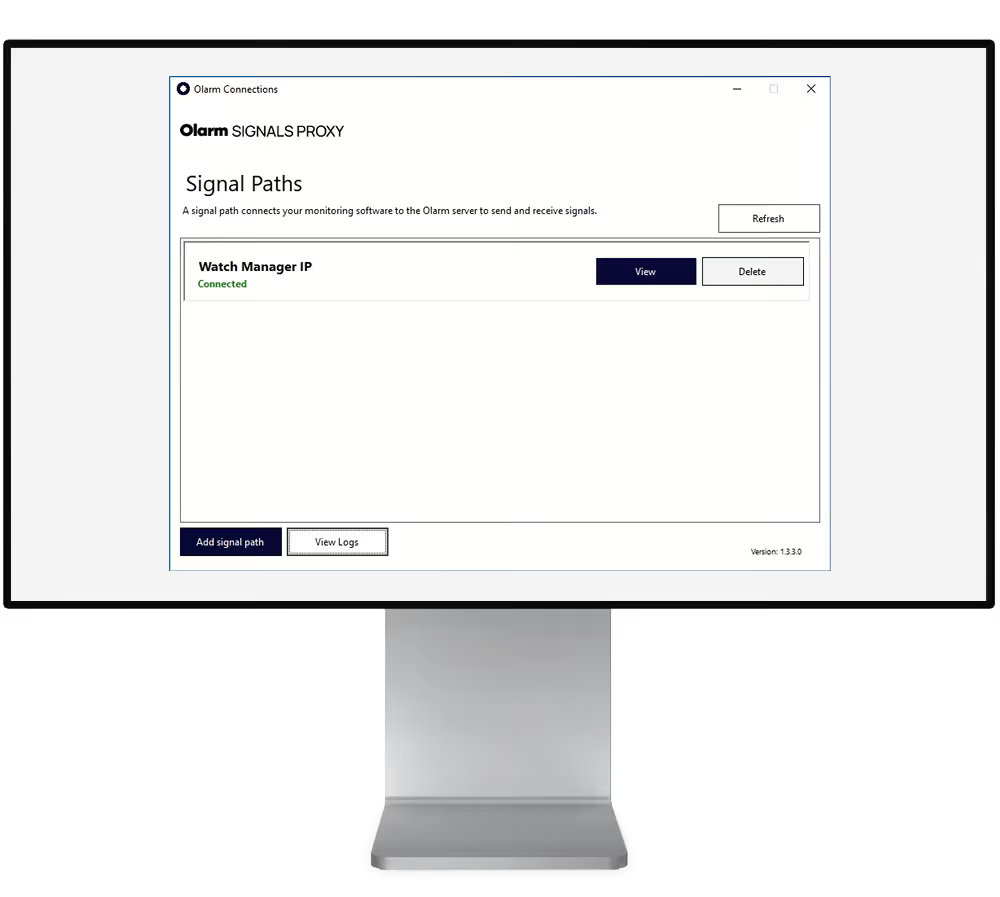
- You already have a wired alarm that works: you don't need to replace it. Olarm MAX connects to Paradox, IDS, DSC, Texecom and other panels and puts your existing alarm in the Olarm APP, connecting over 4G as well as WiFi. Read how to upgrade your alarm without replacing it.
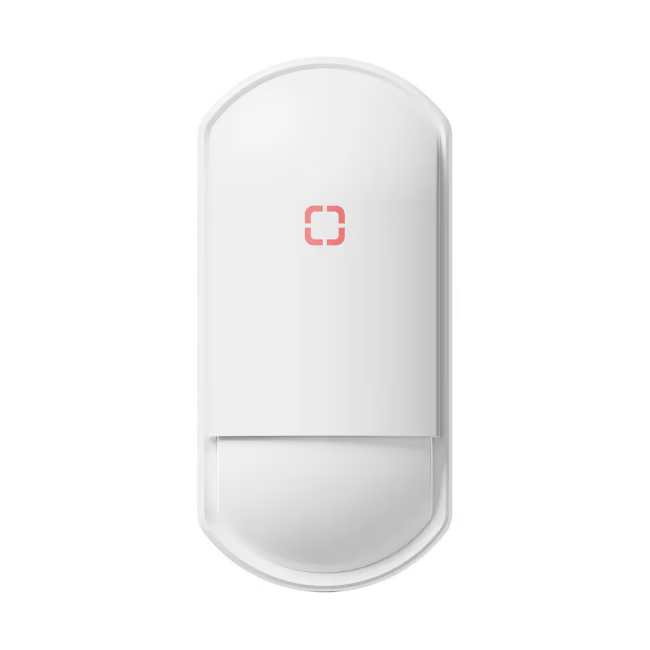
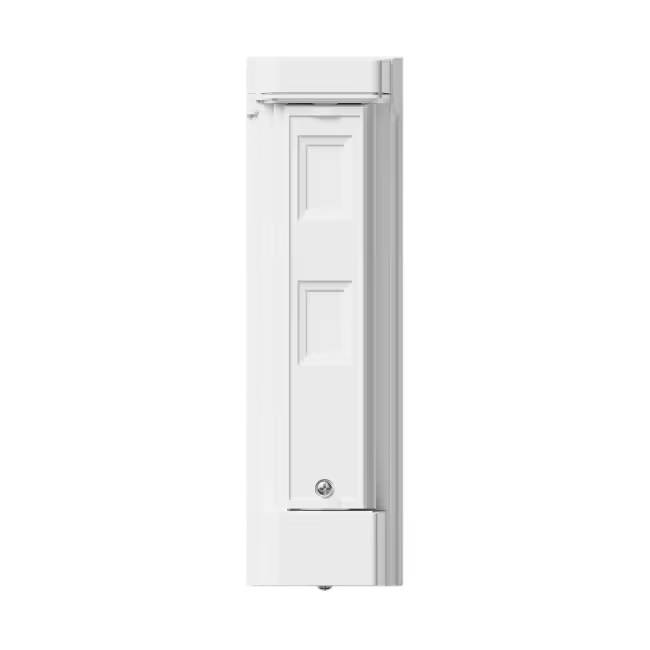
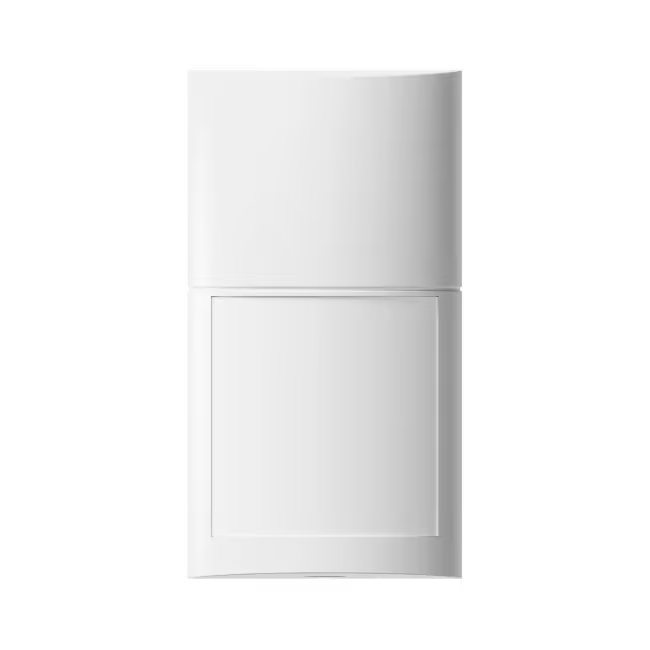
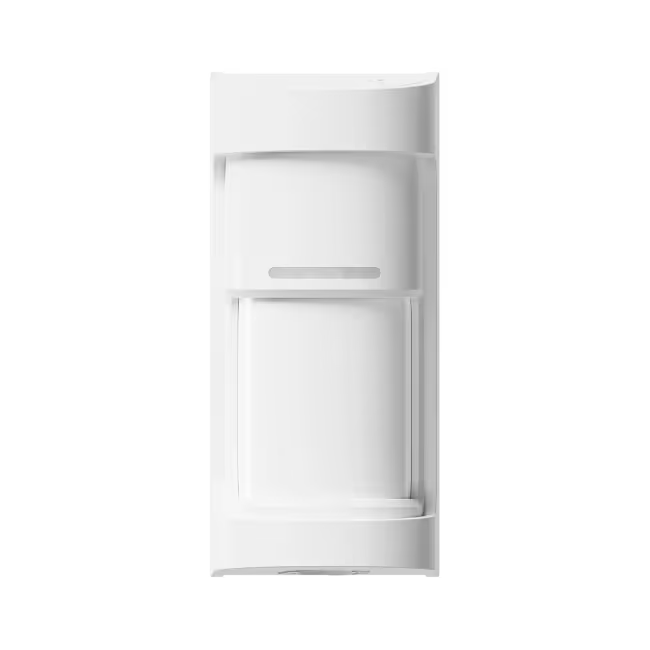
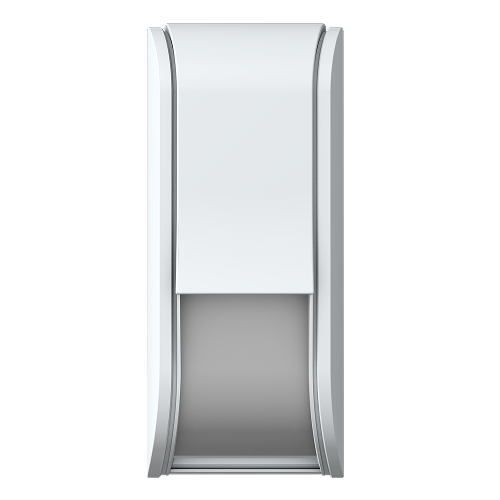
- Hybrid: Olarm CONNECT adds OPTEX wireless detectors to an existing system, so you can cover a garden or outbuilding without new cable.
If you're choosing a new alarm and don't want walls opened up, a wireless alarm system like Olarm ONE is usually the simpler route. See which detectors you need in our guide to security beams, PIRs and door contacts.
Installer? The free Olarm MAX Course on Olarm Academy shows how to connect Olarm MAX to an existing wired alarm.
Frequently asked questions
Are wireless alarm systems reliable?
A well-installed modern wireless alarm is built for dependable, long-range communication. Look for supervised detectors that check in regularly, so the system knows if one stops responding.
Can a wireless alarm be jammed?
Jamming is a real risk for wireless systems in South Africa. Olarm HALO uses LoRa, which is more tolerant of jamming than older radio schemes like FSK, GFSK and ASK. Whichever system you choose, ask how it detects jamming and how it alerts you and your security company.
How long do wireless detector batteries last?
It depends on the detector and how often it triggers. Olarm ENTRY and Olarm FlipX run for up to 2 years on a battery.
Can I mix wired and wireless detectors?
Yes. Many homes keep their wired alarm and add wireless detectors where cable is hard to run.
Choosing a new alarm? See the Olarm ONE wireless alarm system.
Recent news
Why does my alarm app say offline? A home checklist
Wireless vs wired alarm systems: which suits your home?