












Wireless vs wired alarm systems: which suits your home?
A wired burglar alarm connects every detector to the control panel with cable, while a wireless alarm uses battery-powered detectors that talk to the panel by radio. A wireless alarm installs faster, with no lifting floorboards or chasing walls, and is easier to extend. Wired still suits new builds and major renovations where cable can go in before the walls are finished.
How wired and wireless alarms work
A wired alarm has a control panel, often in an understairs cupboard, with a cable to every detector, keypad and the external bell box. The panel powers the detectors and reads their signals.
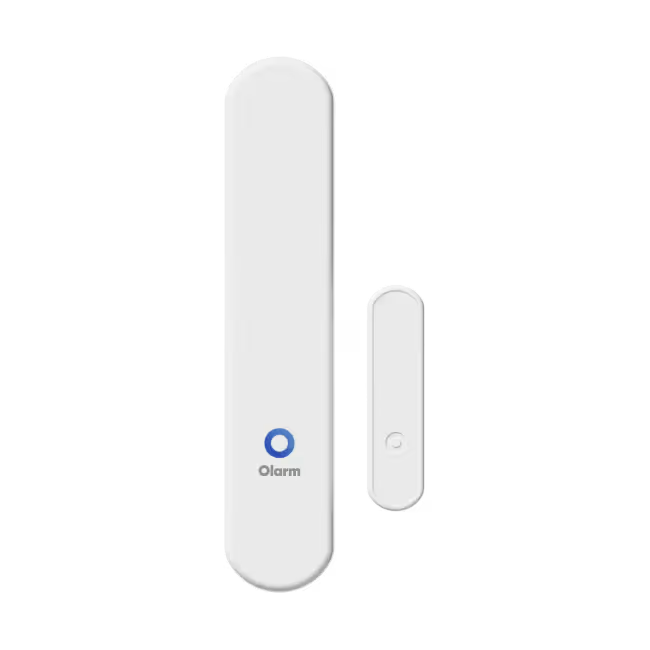
A wireless alarm has a central controller and detectors that each run on their own battery and report to it by radio, so the only cable is the controller's power supply.
Both raise the alarm the same way: a detector triggers, the bell box sounds and, if you have it, the alarm signals your phone and your monitoring company.
Wireless vs wired, side by side
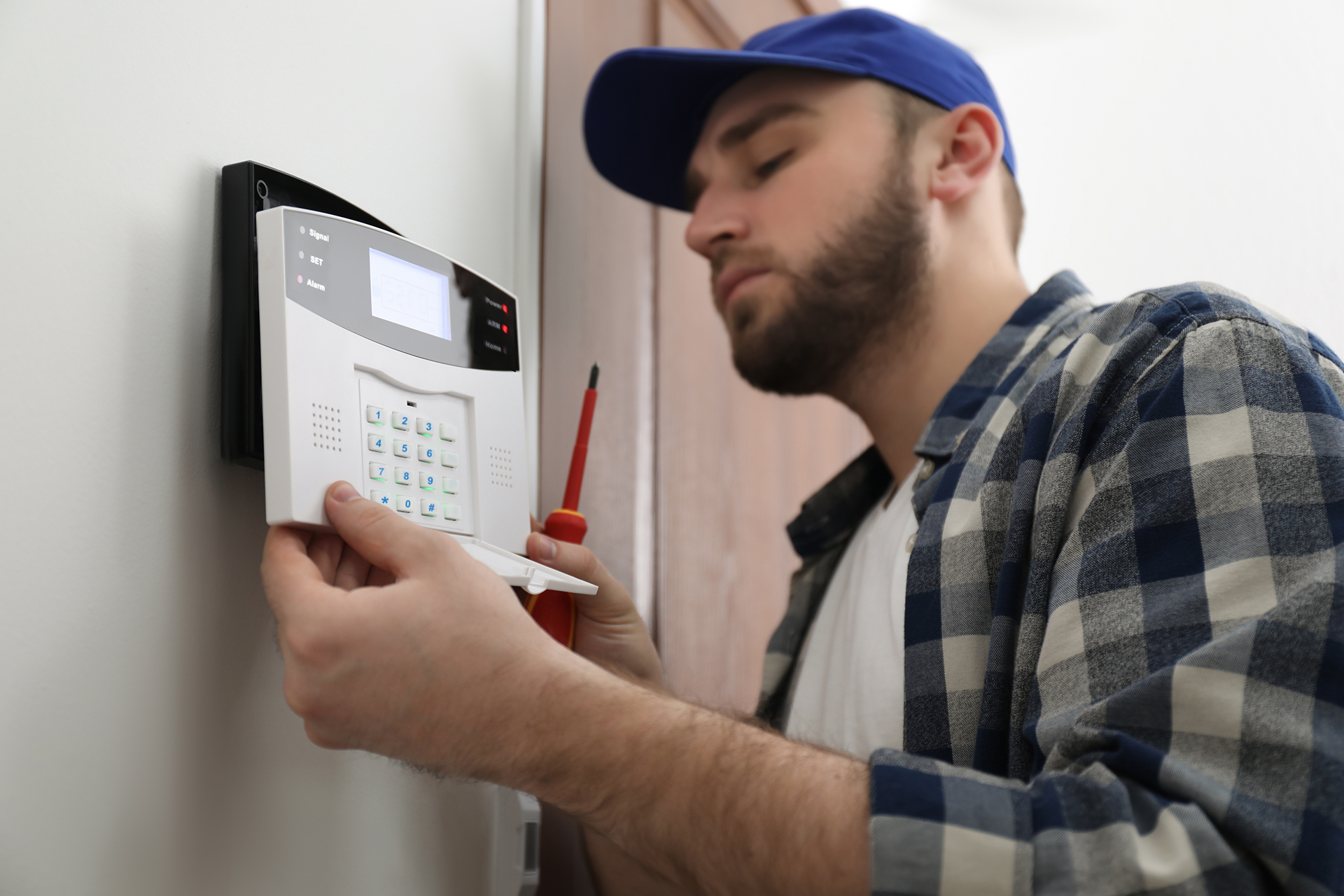
- Installation: wireless detectors mount with screws, so installation is usually quicker. Wired installs mean running cable under floors and through walls.
- Disruption: wireless means little drilling and no redecorating. Wired can mean lifted carpets, dust and filling.
- Adding or moving detectors: wireless detectors can be added or moved without new cable.
- Power: wireless detectors need new batteries every few years. Wired detectors are powered by the panel.
- Outbuildings: wireless reaches garages, garden rooms, sheds and annexes without digging a trench.
- Moving house: a wireless system can come with you. A wired system usually stays with the house.
- Cost: wireless detectors cost more each, but labour is lower. Wired detectors cost less, but cabling time adds up in a finished home.
Range and reliability
Older wireless alarms earned a reputation for dropouts and short range. Many modern systems use the 868 MHz band, which passes through walls more easily than WiFi, and newer radio technologies such as LoRa spread each signal across a wider band, which makes them more tolerant of jamming and interference than the simpler radio schemes used in many earlier wireless alarms. Look for supervised detectors that check in regularly, so the system knows if one stops responding.
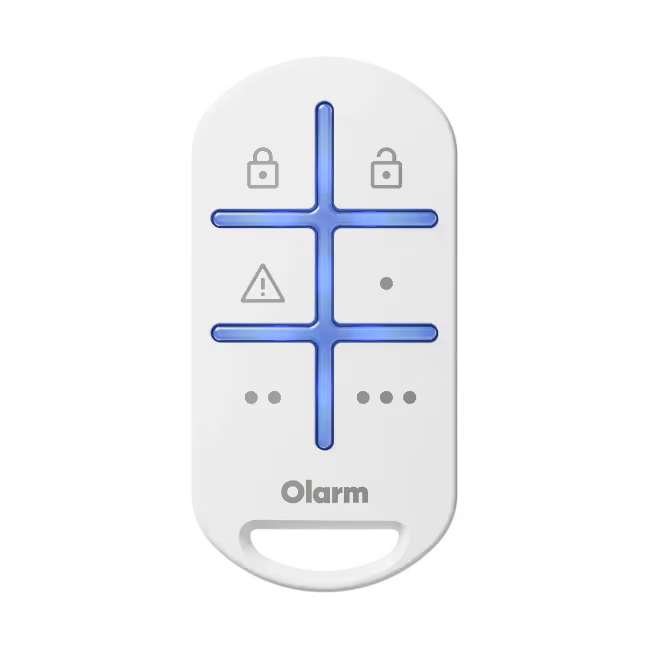
Olarm ONE, Olarm's wireless alarm system, uses Olarm HALO, Olarm's own 868 MHz radio protocol built on LoRa, with up to 2km range. It launches in the UK in 2027.
Detector batteries
Every wireless detector has a battery, which usually lasts a few years depending on the detector and how often it triggers. A good wireless system warns you well before a battery goes flat, so replacing it is routine rather than a surprise.
When wired still makes sense
- New builds and renovations: cable can go in before plastering, so wiring costs less and there are no batteries to replace.
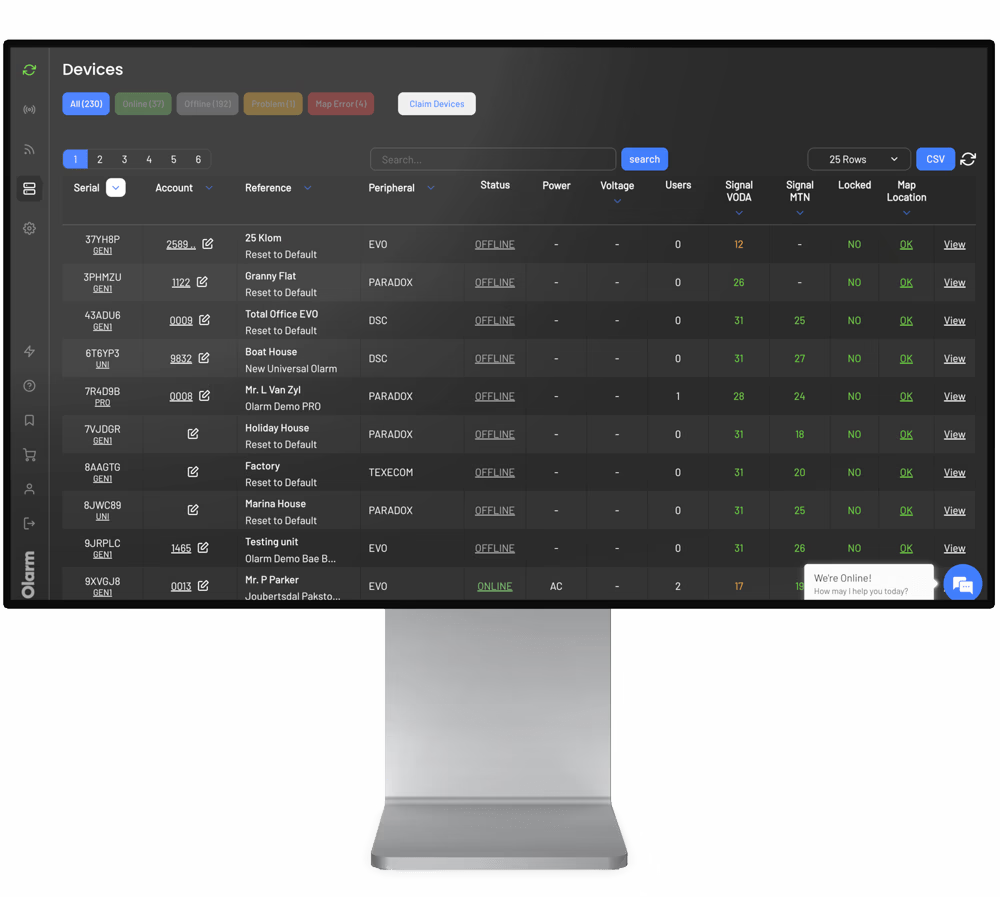
- You already have a wired alarm that works: you don't need to replace it. Olarm MAX connects to Texecom, Honeywell Galaxy, Orisec, Paradox, DSC and IDS panels and puts your existing alarm in the Olarm APP, over 4G as well as WiFi. Read how to upgrade your alarm without replacing it.
- Hybrid: many wired panels accept a wireless expander, so you can add wireless detectors in a garage or garden room without new cable. Ask your alarm engineer what your panel supports.
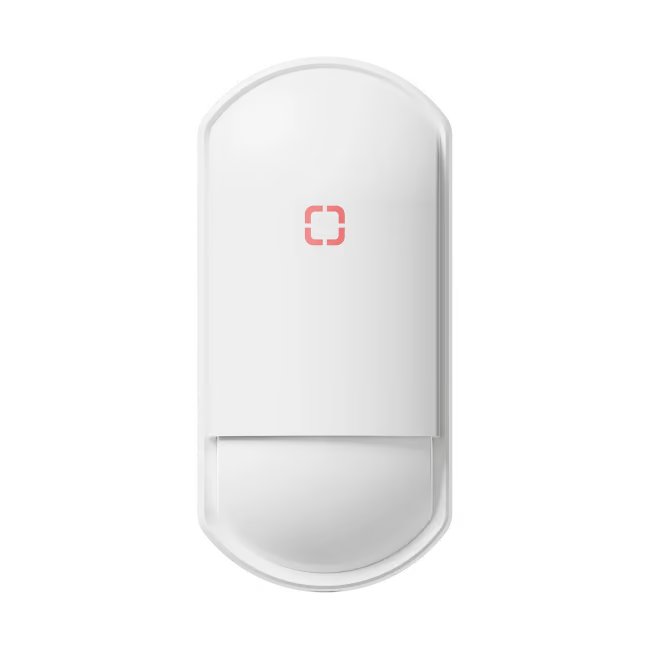
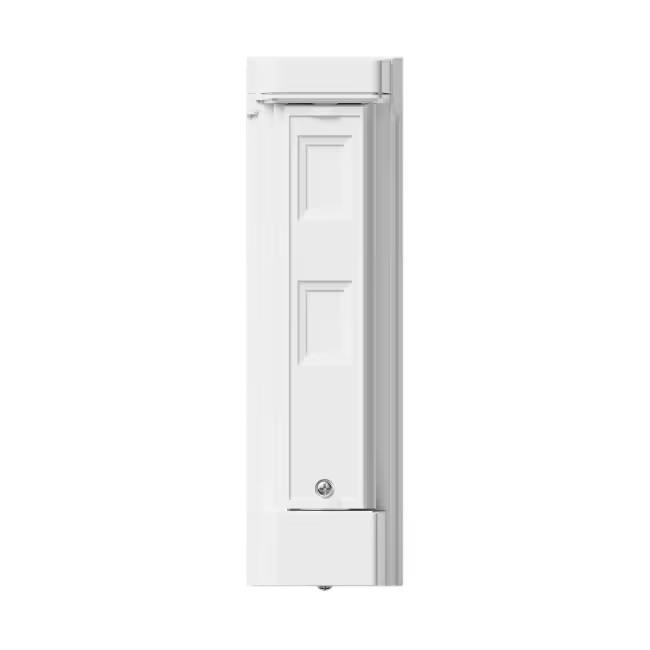
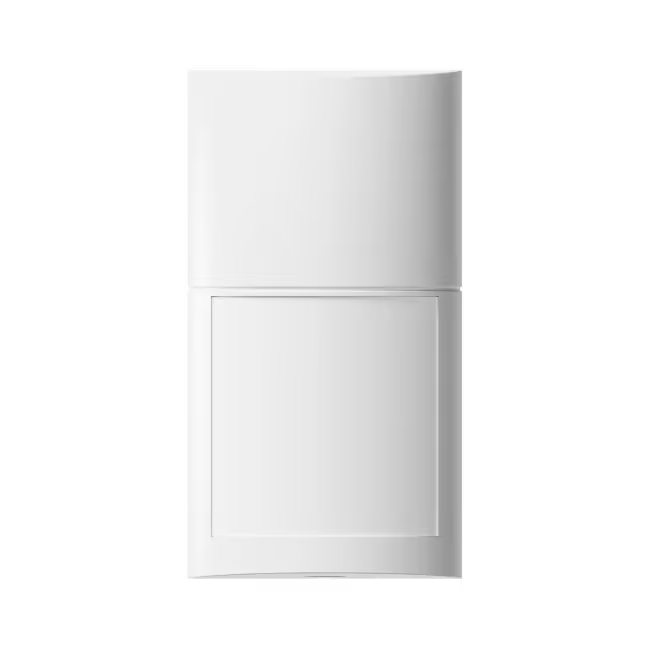
Choosing detectors? See our guide to PIRs, door contacts and outdoor detectors.
Frequently asked questions
Are wireless alarms reliable?
A well-installed modern wireless alarm is. Look for supervised detectors that check in regularly, so the system knows if one stops responding.
Can a wireless alarm be jammed?
Any radio system can be targeted. Ask how a system detects jamming and how it alerts you and your monitoring company.
How long do wireless detector batteries last?
It depends on the detector and how often it triggers. Most last a few years.
Can I mix wired and wireless detectors?
Yes. Many homes keep their wired alarm and add wireless detectors where cable is hard to run.
Already have a wired alarm? See Olarm MAX.
Recent news

Orisec CP and ZP: app control and remote UDL with Olarm MAX

Texecom Premier and Premier Elite: app control and remote Wintex with Olarm MAX
