















Farm electric fencing: keeping livestock in and knowing when the fence goes down

A farm electric fence keeps livestock in and predators out by sending short, high-voltage pulses from an energiser along the fence line. When the voltage drops, from grass on the wire, a broken insulator or a flat battery, animals soon learn the fence isn't working. Monitoring the fence remotely tells you about a fault before you find sheep on the road.
How an electric fence works
The energiser sends a pulse of several thousand volts down the live wires about once a second. The pulse is very brief and the current very low, so an animal that touches the fence gets a sharp shock that it learns to respect, rather than an injury. The circuit completes through the ground and back to the energiser's earth stakes, which is why good earthing matters as much as the wire itself.
Energisers are rated in joules. A higher stored or output energy drives a longer fence and copes better with vegetation, but every energiser sold in the UK has to meet the safety standard BS EN 60335-2-76, which limits the energy of each pulse.
Mains, battery or solar energisers
- Mains energisers suit permanent fences near buildings. They deliver the most power and don't need batteries changing, but they stop in a power cut unless they have backup.
- Battery energisers suit temporary paddocks and strip grazing. The battery needs charging or swapping, and a flat battery is a common reason a fence goes quiet.
- Solar energisers top up their battery from a panel, which suits remote fields. Short winter days can leave the battery low.
Permanent and temporary fencing
- Permanent fences use high-tensile wire on wooden posts with insulators, for boundaries and paddocks that stay put.
- Temporary fences use polywire, polytape or netting on plastic tread-in posts, for rotational and strip grazing.
- Offset wires on brackets protect existing hedges and stock fences from cattle and horses leaning on them.
Common faults
- Vegetation on the wire. Long grass, brambles and hedge growth drain voltage, especially when wet. This is the most common cause of a weak fence in summer.
- Poor earthing. Too few earth stakes, stakes in dry or frozen ground, or a corroded connection all weaken the shock across the whole fence.
- Broken or cracked insulators. The wire shorts against a post. You may hear clicking or see sparks at night.
- Broken or knotted wire. Animals, deer, machinery and fallen branches break wires. Knots in polywire add resistance.
- Flat batteries. Battery and solar energisers lose power quietly, often in winter.
How to test your fence
- Use a fence tester. A digital fence voltmeter shows the voltage at any point. Check near the energiser and at the far end of each section: a big drop along the line points to a fault in between.
- Check the earth. With the fence shorted to ground well away from the energiser, the earth stakes should show very little voltage. If they don't, add stakes or move them to damper ground.
- Walk the line. Look for vegetation, broken insulators, sagging wire and damaged gate handles.
- Never test by touching the wire. Use a tester every time.
Fences near footpaths and roads
Where an electric fence runs beside a public road or footpath, including public rights of way across your land, put up yellow electric fence warning signs at regular intervals so walkers know the fence is live. The energiser standard sets out the sign and spacing. This is general guidance, not legal advice, so check with your energiser supplier or the National Farmers' Union if you're unsure what applies to your land.
Know when the fence goes down
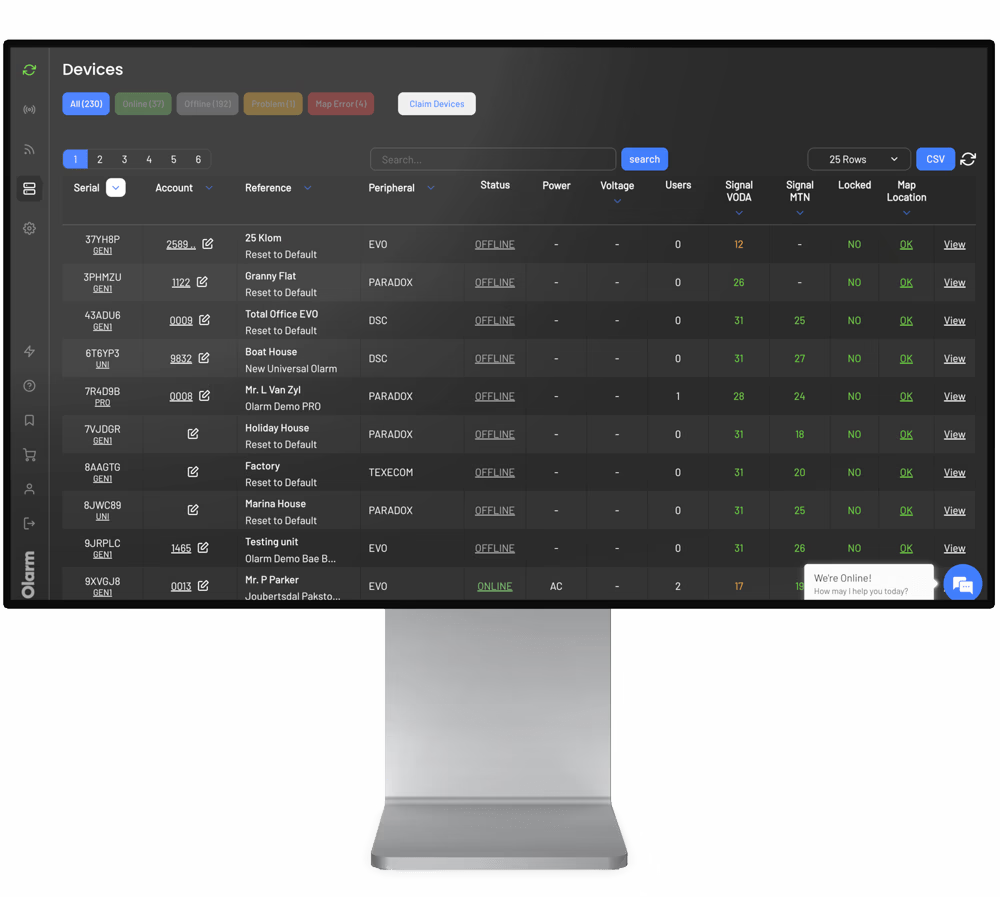
Walking miles of fence line to find out whether it's working takes time you don't have at lambing or harvest. With Olarm MAX, you can see the fence's status on your phone and get an alert when it goes into alarm or develops a fault.
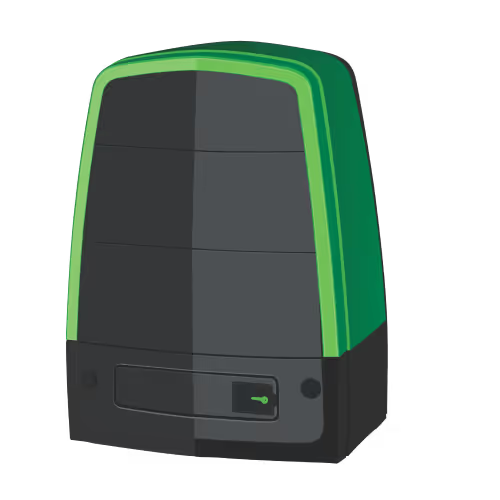
- Supported energisers: Olarm MAX connects directly to Nemtek and JVA energisers, showing fence status, voltage alerts and faults in the Olarm APP.
- Other energisers: many fence alarms and monitors have an alarm output. An installer can wire that output to an Olarm MAX input, so a fault sends an alert to your phone.
- Rural signal: Olarm MAX uses dual-SIM 4G with WiFi backup and low-frequency 4G bands that carry further from the mast. An external antenna helps where steel sheds or distance weaken the signal.
- Power cuts: a small built-in backup gives Olarm MAX time to send a final alert if its power goes, whether that's a power cut or someone cutting the supply.
Protect the rest of the farm too
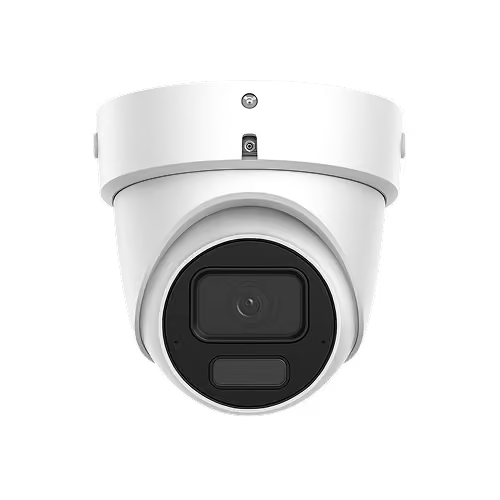
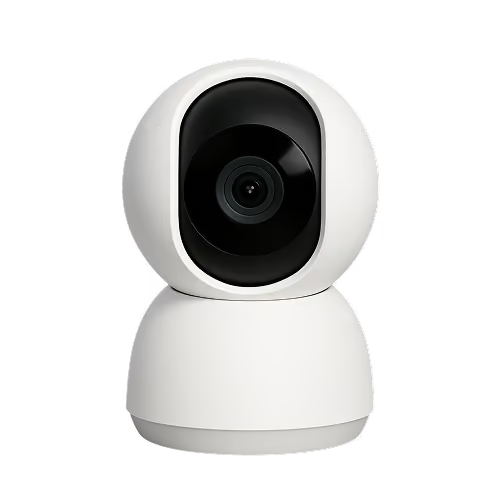
The same Olarm MAX can connect to the alarm in your house, workshop or machinery store, so you can set and unset buildings, see which door or detector triggered, and link cameras to check whether it's a thief or a fox before you head out. Olarm works with Texecom, Honeywell Galaxy, Orisec, Paradox, DSC and IDS alarm panels, and with Hikvision, Dahua, Provision and other RTSP cameras. If you manage several sites, every farm, yard and building can sit in one app.
Frequently asked questions
How many joules does my energiser need?
It depends on the length of fence, the number of wires, the livestock and how much vegetation touches the line. Your energiser supplier's sizing guide is the best starting point. Allow extra for wet grass and future paddocks.
Why is my fence voltage low?
Usually vegetation on the wire or poor earthing. Test along the line to find where the voltage drops, then check the earth stakes.
Can I get alerts when my electric fence fails?
Yes. Olarm MAX connects to Nemtek and JVA energisers directly, and to other fence alarms through an input, and sends alerts to your phone over 4G.
Do I need warning signs on my electric fence?
Yes, where it runs beside a public road or footpath. Use yellow electric fence warning signs at the spacing your energiser supplier recommends.
Want alerts when your fence goes down? See Olarm MAX.
Recent news

Orisec CP and ZP: app control and remote UDL with Olarm MAX

Texecom Premier and Premier Elite: app control and remote Wintex with Olarm MAX
